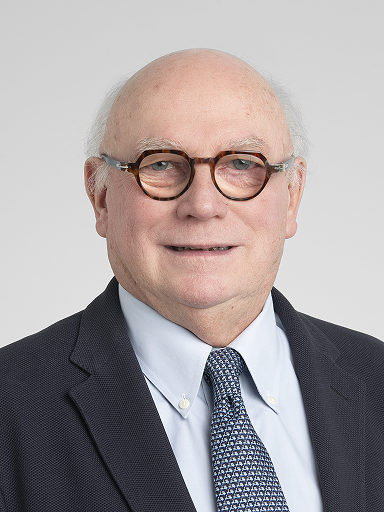

After completing his medical and scientific training inNeurology and Neuroscience, Dr. Patrick Chauvel became a researcher at INSERM(Institut National de la Santé et de la Recherche Médicale) in Paris (1975).There, he began his pioneering work in experimental and clinical research onthe mechanisms of epilepsy. Under the mentorship of Talairach and Bancaud atHôpital Sainte-Anne/Université René Descartes in Paris, he advancedstereo-electroencephalography (SEEG) as a presurgical method using intracerebralelectrodes for epilepsy surgery (1975–1990). His research has focused on thepathophysiology of the epileptogenic zone, the emergence of seizure semiology,and human cerebral cortex physiology. Notably, he championed the concept of anepileptogenic network, moving beyond the classical "epileptic focus"model, and pioneered new insights into markers of the epileptogenic zone andfocal epilepsy semiology.
Succeeding Jean Bancaud, Dr. Chauvel served as Director ofthe SEEG Unit at Hôpital Sainte-Anne (1986–1990), then as Professor andChairman of Neurology in Rennes (1990–1997), where he established an innovativeEpilepsy Unit integrating clinical care and research. Later, he becameProfessor and Chairman of Clinical Neurophysiology and Director of the INSERMInstitute of Systems Neuroscience in Marseille (1997–2014). In 2014, he joinedthe Cleveland Clinic’s Epilepsy Center to advance SEEG-based presurgical evaluationin North America, while also serving as Professor of Neurology at the ClevelandClinic Lerner College of Medicine (Case Western Reserve University).Additionally, as an Honorary Professor at the University of Queensland(Brisbane), he guided the development of SEEG-based epilepsy surgery andresearch programs. He later held appointments as Professor of Neurology at theUniversity of Pittsburgh and Neurologist at UPMC.
Currently, Dr. Chauvel is a researcher at the ClevelandClinic Epilepsy Center, where he is developing novel SEEG-based methods forpresurgical evaluation of drug-resistant epilepsy and researching biomarkers ofthe epileptogenic zone and the neural mechanisms underlying seizuresemiology.
He is a Member of the Royal Academy of Medicine of Belgiumin recognition of his contributions to the field.
Dr. Mathilde Chipaux-Raffo is a senior pediatric epileptologist and neurophysiologist at Rothschild Hospital-Foundation in Paris, with a joint appointment at the Paris Brain Institute. She leads both the Pediatric Neurophysiology Unit and Pediatric Clinical Research at Rothschild.
Trained in presurgical epilepsy evaluation and invasive EEG monitoring since 2010, she founded the EPIFOR network in 2020 to improve access to pediatric epilepsy surgery nationally and internationally. The network has supported over 400 children and facilitated more than 250 advanced surgical procedures, including SEEG, RF thermocoagulation, LITT, and neuromodulation (VNS, DBS).
She co-directs the annual French epilepsy surgery meeting hosted by Rothschild since 2013 and serves on the LFCE administrative board, the French chapter of the ILAE.
Her research focuses on focal cortical dysplasia genetics, sEEG thermolesions, surgical outcomes, pediatric neurophysiology, and innovations in epilepsy surgery. She has collaborated with the Paris Brain Institute since her PhD in 2009 and has led pediatric clinical research at Rothschild since 2017.

Dr. Gonzalez-Martinez is a board-certified neurosurgeon subspecialized in epilepsy and functional neurosurgery. He is the Director of Epilepsy and Movement Disorders Surgery, Co-Director of the Epilepsy Center, and Director of the Cortical Systems Laboratory at the University of Pittsburgh Medical Center.
Dr. Gonzalez is a world-renowned surgeon who has published more than 200 peer-reviewed articles and book chapters related to epilepsy surgery and methods of brain mapping for patients with medically intractable epilepsy and movement disorders. He has been serving the American Society of Stereotactic and Functional Neurosurgery as a member of the executive committee for the past six years, developing highly relevant projects and topics related to the field of functional neurosurgery and epilepsy.
Dr. Gonzalez is a medical pioneer in novel surgical methods for treating medically refractory seizures, such as stereo-electroencephalography (SEEG), SEEG-guided laser ablative procedures, neuromodulatory interventions, and robotic-guided surgeries. He has introduced innovative surgical approaches for the first time in the United States and other countries. His particular field of interest and academic focus relate to neuro-electrophysiology, intracranial signal processing, and behavioral neuroscience.
Combined, his clinical and basic science efforts have guided his academic and clinical pathway toward safer and more efficient treatments for patients with severe seizures and movement disorders. His work promotes symptom improvement alongside better functional outcomes and overall quality of life.
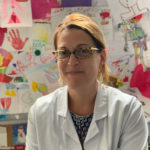
Dr Sarah Ferrand-Sorbets is a Pediatric Neurosurgeon and Head of Department of Pediatric Neurosurgery in the Rothschild Foundation Hospital, Paris, France (CCMR Epilepsies Rares, member of the EPICARE European Reference Network and Centre de Référence et de compétence des épilepsies rares CRéER).
Graduated in 2008, she then received pediatric epilepsy surgery training with Olivier DELALANDE & Georg DORFMULLER at the Rothschild Foundation Hospital, including a residency at the Great Osmond Street Hosiptal, London, in 2018. She is member of the ILAE Pediatric Epilepsy Surgery -Task Force of the Surgery Commission (2021-2025) and Faculty member of the International Epilepsy Surgery Society (IESS).
Her clinical and research interests include all the fields of the pediatric epilepsy surgery : presurgical evaluation with invasive : grids and sEEG, robotic frameless stereotactic procedures, radiofrequency thermocoagulation, resective-disconnective procedures, MRI-guided procedures, LITT, and neuromodulation : VNS and DBS. She leads the development of MRI guided neurosurgery and its various applications : Laser thermoablation, gene therapy and DBS.
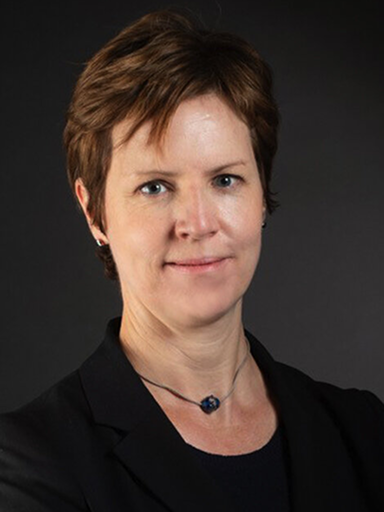
Aileen McGonigal is Honorary Professor at the Mater Research Institute, University of Queensland and leads the Epilepsy, Rhythms and Behaviour Research Group. She holds a clinical appointment as Director of Epilepsy Unit, at the Mater Hospital, Brisbane.
Aileen’s clinical research aims to improve patient care through better understanding of epilepsy, particularly for patients with drug-resistant epilepsy who may benefit from surgical intervention. She studies seizures recorded using video and brain electrical activity (EEG, SEEG) and investigates how behaviours relate to brain rhythms. Aileen is also interested in neuropsychiatric aspects of epilepsy, including anxiety and depression.
Aileen chairs the Special Interest Group on SEEG of the American Epilepsy Society (2019-22) and is regularly invited to speak at international conferences. She helps define standards of care in epilepsy through her role in the Task Force on Epilepsy Surgery Networks of the Surgical Therapies Commission of the International League Against Epilepsy (ILAE) (2022-2026), and previously, the ILAE Task Force on Depression within the Neuropsychiatry Commission (2014-2018). She is a member of the Scientific Committee of the French Society of Clinical Neurophysiology and Associate Editor of the English-language journal Neurophysiologie Clinique /Clinical Neurophysiology (Elsevier, 2021 Impact Factor 3.7). She is also a member of the Australian, British, and French chapters of the ILAE.
Aileen studied medicine at the University of Glasgow, UK and undertook neurology and EEG training in the UK. She subsequently worked as a consultant neurologist and epileptologist in Marseille, France at the Timone Hospital as well the Centre St Paul (Henri Gastaut Hospital). She belonged to the Institut de Neurosciences de Systèmes, INSERM & Aix-Marseille University, until moving to Mater Research in 2022.
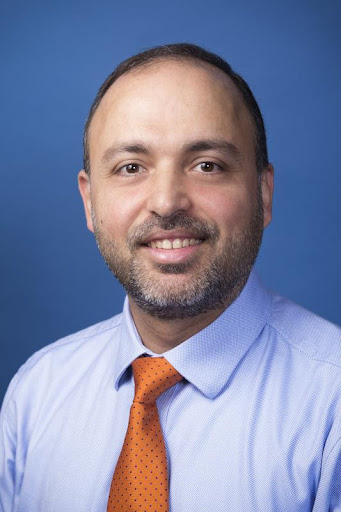
Dr. Kheder is an epileptologist with extensive experience in epilepsy surgery and SEEG. His work focuses on advancing diagnostic and therapeutic strategies for epilepsy. His research interests include seizure semiology, functional neuroanatomy, cognitive neuroscience, and brain mapping and connectivity. Driven by a passion for understanding the complexities of the brain, Dr. Kheder is committed to integrating cutting-edge research into clinical practice to improve patient outcomes.
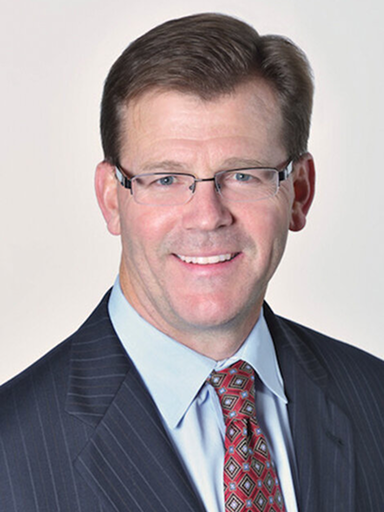
Dr. McKhann is the Director of Epilepsy Surgery, Brain Mapping for Tumors and Epilepsy, and Adult Hydrocephalus at Columbia University Irving Medical Center / New York Presbyterian Hospital. He has over 20 years of experience at CUIMC / NYP, combining clinical skill and compassionate care to maximize patient outcomes. He is a member of both the Columbia P&S Virginia Apgar Academy of Medical Educators and the P&S Academy of Clinical Excellence. His areas of particular technical expertise include awake brain mapping, epilepsy surgery, low-grade glioma surgery, minimally invasive computer-guided microneurosurgery, and stereotactic laser ablation for tumors and epilepsy.
Dr. McKhann also works as a translational neuroscientist, directing the Epilepsy Neurophysiology Laboratory, helping lead the multi-departmental study of Cognitive Neurophysiology together with Catherine Schevon MD, PhD and Charles Schroeder PhD, and collaborating extensively with the Gabriele Bartoli Brain Tumor Research Laboratory. His basic and clinical research has been funded by the National Institutes of Health, the American Association of Neurological Surgeons, the Klingenstein Foundation, the Charles A. Dana Foundation, the New York Academy of Medicine, Parents Against Childhood Epilepsy, the Irving Center for Clinical Research, CURE, and the Tuberous Sclerosis Alliance.
Dr. McKhann graduated Phi Beta Kappa and Magna Cum Laude from Duke University, with Research Honors for his investigations into brain tumor immunobiology. He attended Yale School of Medicine, where he was AOA, Cum Laude, a Farr Scholar, and one of five recipients of the medical school’s highest thesis award. Dr. McKhann trained in Neurological Surgery at the University of Washington, as well as at Atkinson Morley’s Hospital in Wimbledon, England.
Si tu veux, je peux aussi te faire une version plus courte et plus marketing pour Epilepsy Courses (genre bio speaker premium pour crédibiliser la page et améliorer la conversion).
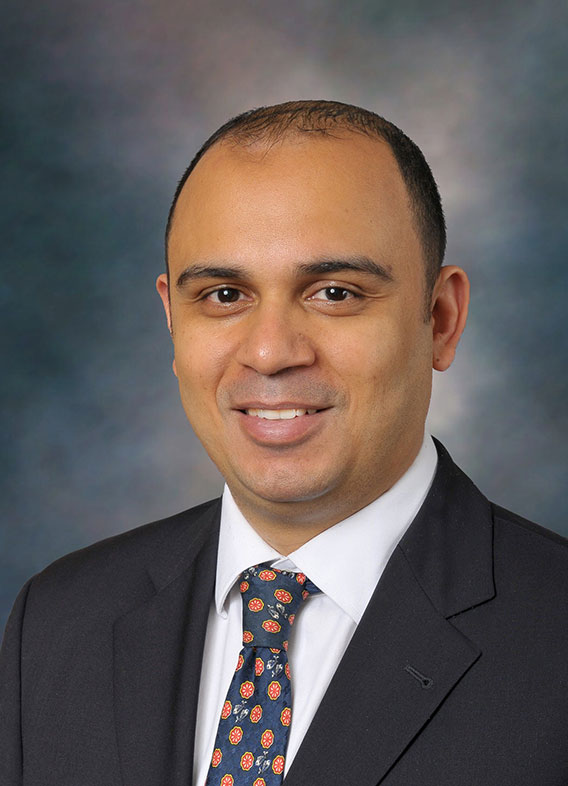
Dr. Ammar Shaikhouni is a pediatric neurosurgeon and the Surgical Director of Epilepsy Surgery at Nationwide Children’s Hospital. He completed his neurosurgery residency at The Ohio State University, a stereotactic and functional neurosurgery fellowship at The Ohio State University, and a pediatric neurosurgery fellowship at Nationwide Children’s Hospital. His clinical focus includes epilepsy surgery and neuromodulation techniques to treat epilepsy and movement disorders. Dr. Shaikhouni received a PhD in neuroscience from Brown University where his research focused on brain-computer interfaces and cognitive physiology. He now integrates that expertise with his clinical practice to advance surgical care for children with neurological disorders.
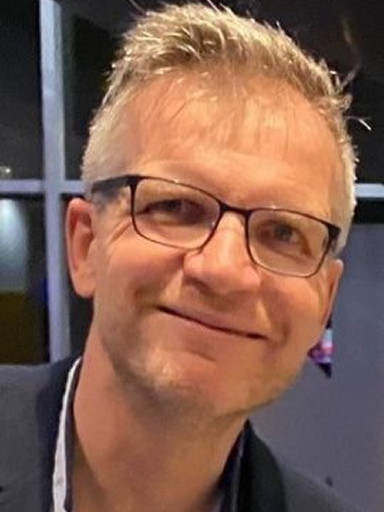
Louis Maillard has been leading the Patrick Chauvel Epileptology Unit at the Regional University Hospital of Nancy since 2005. This unit is recognized as a tertiary French and European Reference Center for rare and drug-refractory epilepsies (ERN EPICARE). Louis is a Professor of Neurology at Lorraine University and a member of the Clinical and Neuroscience Research Team at Lorraine University, Centre National de la Recherche Scientifique (CNRS), UMR 7365. Additionally, he chairs the Scientific Board of the French Clinical Neurophysiology Society and is a member of the ILAE Task Force on Diagnostic Methods / EEG.
Louis Maillard completed a clinical fellowship at the Marseille Epileptology Unit from 2003 to 2005 and earned a PhD in neuroscience at the University of Marseille under the supervision of Professors Patrick and Catherine Chauvel. His research interests and publications focus on drug-resistant epilepsies, with several key objectives:
- Improving the delineation of the epileptogenic zone using both Stereo-Electroencephalography (SEEG) and Electrical Source Imaging.
- Enhancing post-surgical cognitive outcomes, particularly in language and visual recognition, through electrical cortical stimulation, intracerebral evoked potentials, and cortico-cortical evoked potentials.
Louis Maillard has served as a tutor and faculty member at numerous international workshops and congresses on SEEG and drug-resistant epilepsies. He chaired the Special Interest Group of the American Epilepsy Society (AES) dedicated to SEEG in December 2024.
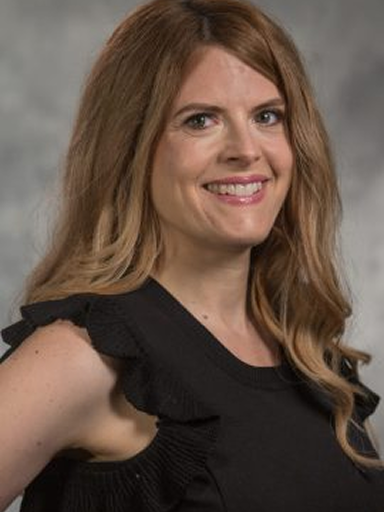
Dr. Birgit Frauscher is a clinician scientist whose career is dedicated to improving the diagnosis and prognosis of people with epilepsy by developing new methods based on advanced electroencephalography techniques. Her work focuses on better localizing the epileptic focus in order to improve treatment outcomes and ultimately achieve the best possible quality of life for patients. She is currently the Director of the Duke Comprehensive Epilepsy Center and holds a secondary appointment with the Department of Biomedical Engineering at the Duke Pratt School of Engineering.
Her academic journey began at the Medical University of Innsbruck in Austria, where she completed her medical training, residency in neurology, and subspecialty training in electroencephalography, epilepsy, and sleep medicine. Early in her medical studies, she developed a strong interest in electroencephalography and its potential to provide key insights into brain function. After completing her clinical training in 2008, she pursued further research training and successfully completed her habilitation degree in 2011.
To further specialize in intracranial EEG and signal analysis, she undertook a visiting professorship at the Montreal Neurological Institute and Hospital, McGill University, Canada, between 2013 and 2015. She subsequently joined the Montreal Neurological Institute and Hospital as an Attending Epileptologist, later becoming Group Leader in Epilepsy and Professor of Neurology.
Her research interests include:
i) The development of novel seizure-independent EEG markers for the epileptogenic zone to achieve more accurate epilepsy diagnosis.
ii) The investigation of the interactions between sleep and epilepsy.
iii) The use of invasive intracranial EEG to study brain physiology during wakefulness and sleep in order to better distinguish normal from abnormal intracranial EEG activity.
Dr. Frauscher has published more than 200 peer-reviewed papers dedicated to epilepsy and sleep and has an H-index of 69. Her academic work has been recognized with several prestigious awards, including Clinician-Scientist Awards from the FRSQ (2018–2023), the Michael Prize of the International League Against Epilepsy (2019), and the Ernst Niedermeyer Prize from the Austrian Epilepsy Society (2015).
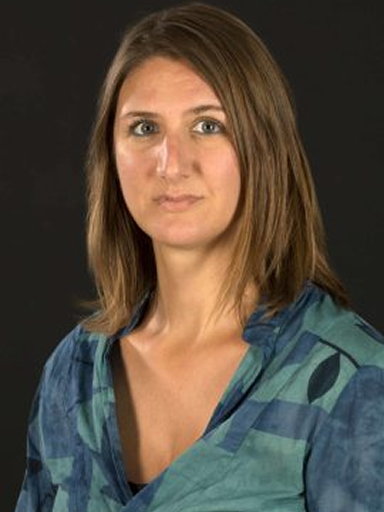
Dr. Anna Miserocchi is a consultant neurosurgeon at the National Hospital for Neurology and Neurosurgery in London, UK, specializing in epilepsy and functional tumour surgery. His research focuses on the use of novel multimodality imaging to improve the safety and precision of neurosurgical procedures, as well as to enhance diagnostic accuracy.
Currently, he is developing a neurosurgical planning platform specifically for epilepsy surgery called EpiNav. This platform integrates various imaging modalities such as fMRI, DTI, PET, SPECT, MEG, EEG / fMRI, and 3D angiography, enabling safer surgical planning and navigation during epilepsy procedures. His goal is to provide surgeons with advanced tools to better visualize and protect critical brain structures.
A key focus of his work is the integration of functional imaging into the surgical microscope within the interventional MRI environment. This approach aims to reduce neurological deficits and improve patient outcomes during resective surgery.
He has also completed the first randomized controlled surgical trial comparing frameless stealth-guided implantation with robotic implantation of intracranial electrodes for stereo-EEG. This study aimed to evaluate the safety and accuracy of electrode placement using different surgical techniques.