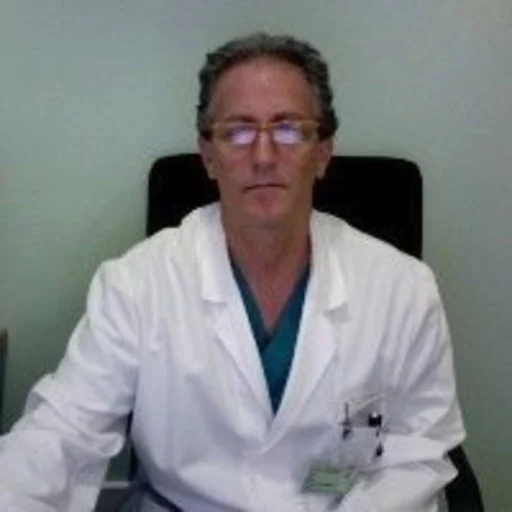
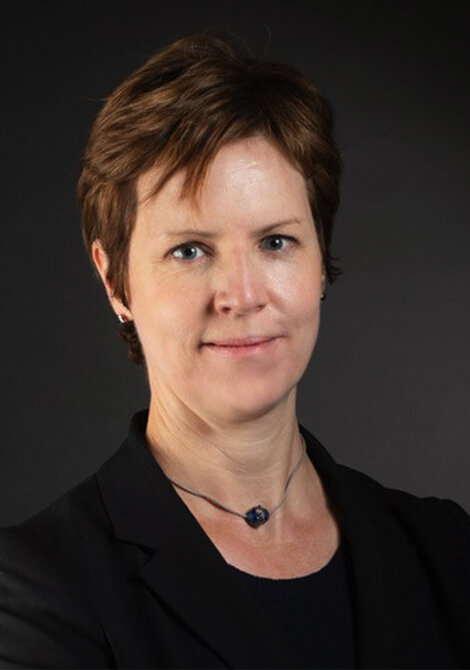
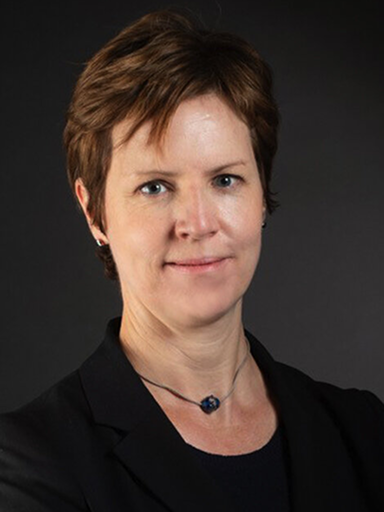
Dr. Birgit Frauscher is a clinician scientist whose career is dedicated to improving the diagnosis and prognosis of people with epilepsy by developing new methods based on advanced electroencephalography techniques. Her work focuses on better localizing the epileptic focus in order to improve treatment outcomes and ultimately achieve the best possible quality of life for patients. She is currently the Director of the Duke Comprehensive Epilepsy Center and holds a secondary appointment with the Department of Biomedical Engineering at the Duke Pratt School of Engineering.
Her academic journey began at the Medical University of Innsbruck in Austria, where she completed her medical training, residency in neurology, and subspecialty training in electroencephalography, epilepsy, and sleep medicine. Early in her medical studies, she developed a strong interest in electroencephalography and its potential to provide key insights into brain function. After completing her clinical training in 2008, she pursued further research training and successfully completed her habilitation degree in 2011.
To further specialize in intracranial EEG and signal analysis, she undertook a visiting professorship at the Montreal Neurological Institute and Hospital, McGill University, Canada, between 2013 and 2015. She subsequently joined the Montreal Neurological Institute and Hospital as an Attending Epileptologist, later becoming Group Leader in Epilepsy and Professor of Neurology.
Her research interests include:
i) The development of novel seizure-independent EEG markers for the epileptogenic zone to achieve more accurate epilepsy diagnosis.
ii) The investigation of the interactions between sleep and epilepsy.
iii) The use of invasive intracranial EEG to study brain physiology during wakefulness and sleep in order to better distinguish normal from abnormal intracranial EEG activity.
Dr. Frauscher has published more than 200 peer-reviewed papers dedicated to epilepsy and sleep and has an H-index of 69. Her academic work has been recognized with several prestigious awards, including Clinician-Scientist Awards from the FRSQ (2018–2023), the Michael Prize of the International League Against Epilepsy (2019), and the Ernst Niedermeyer Prize from the Austrian Epilepsy Society (2015).












.webp)