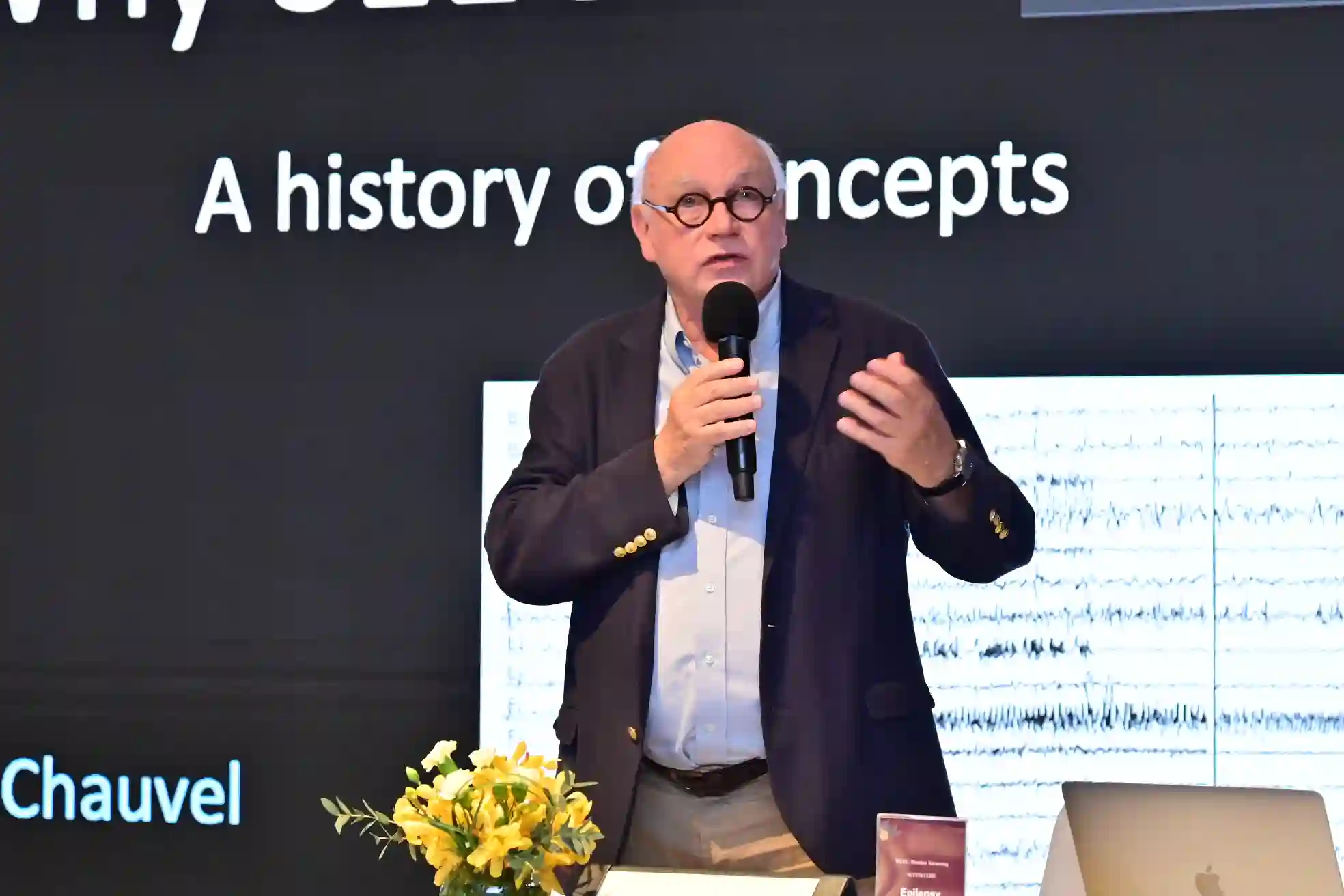
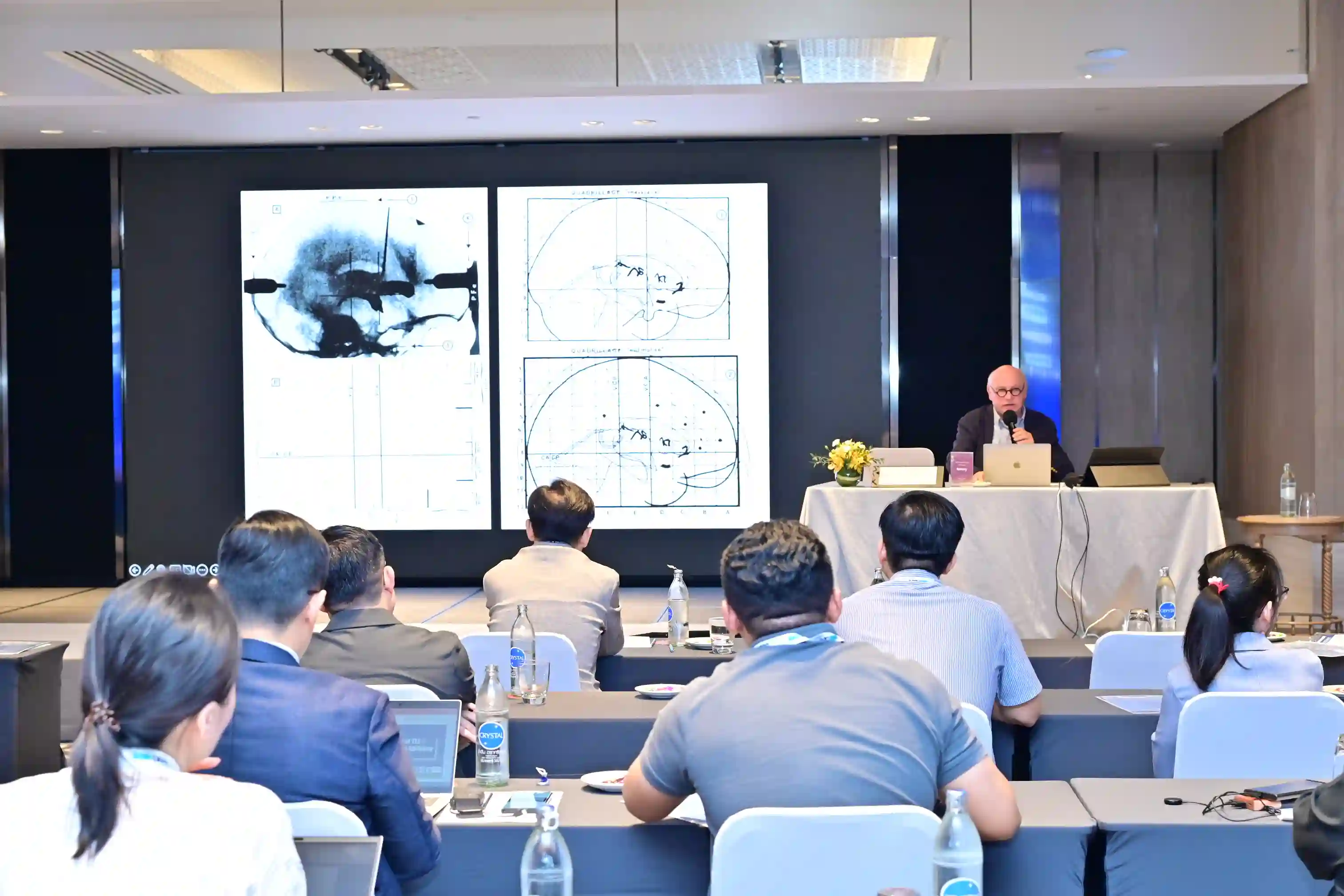
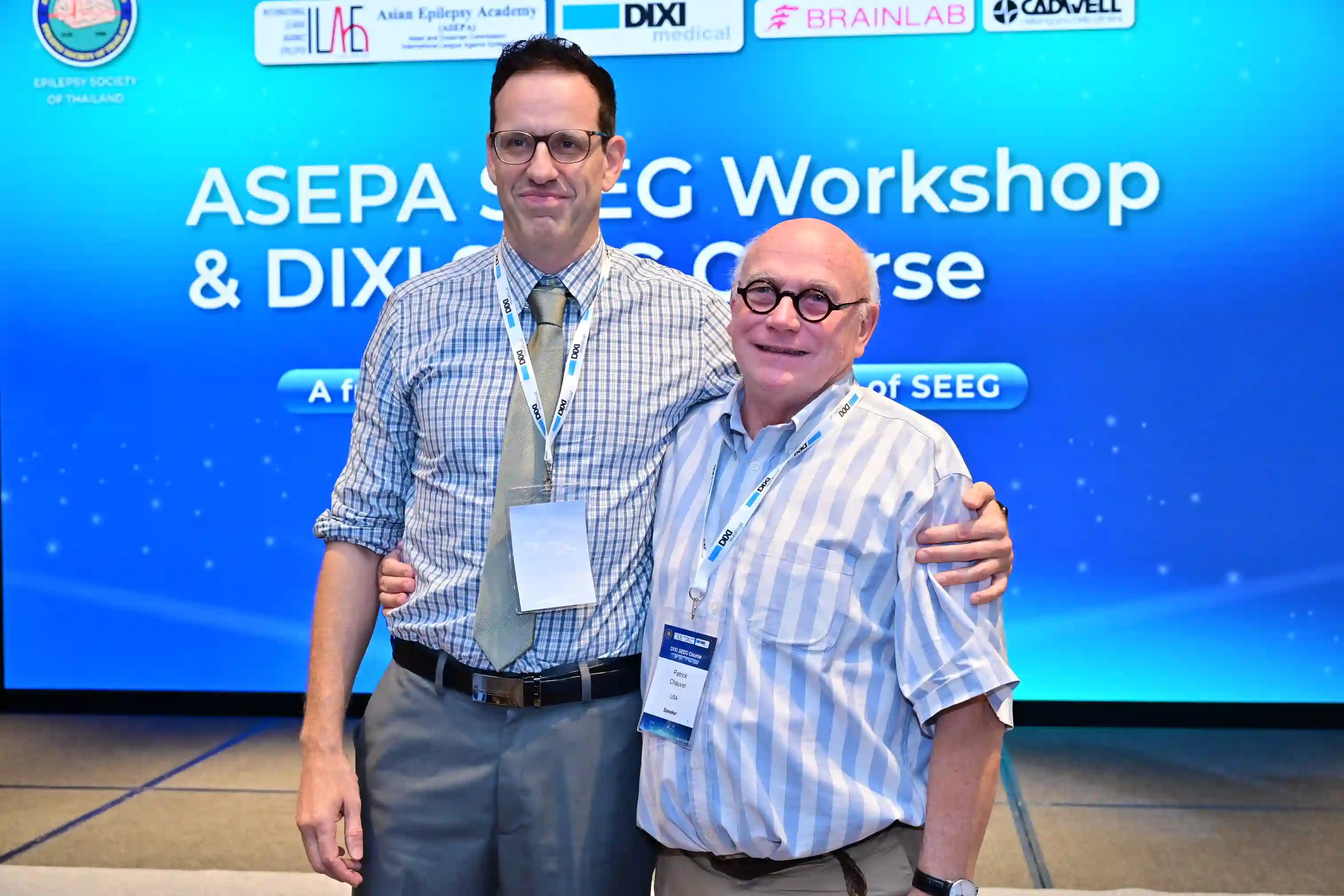
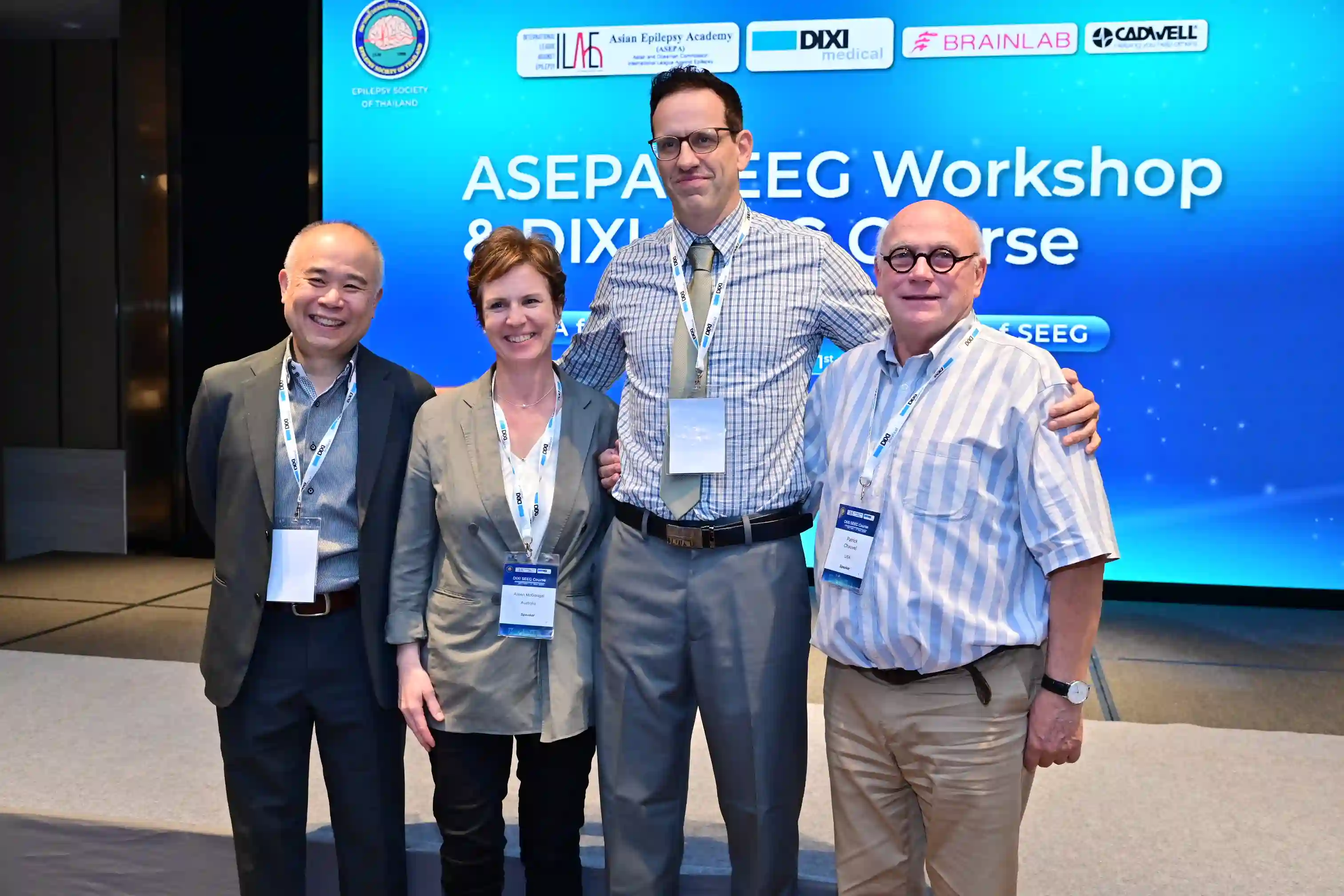
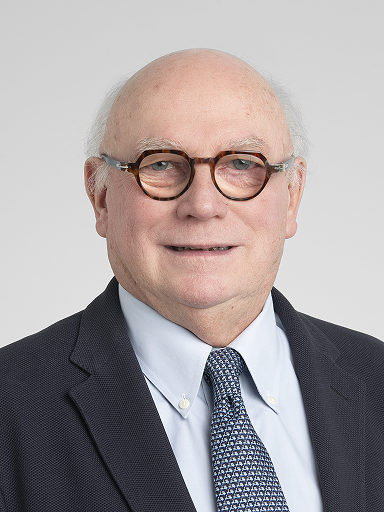
After completing his medical and scientific training inNeurology and Neuroscience, Dr. Patrick Chauvel became a researcher at INSERM(Institut National de la Santé et de la Recherche Médicale) in Paris (1975).There, he began his pioneering work in experimental and clinical research onthe mechanisms of epilepsy. Under the mentorship of Talairach and Bancaud atHôpital Sainte-Anne/Université René Descartes in Paris, he advancedstereo-electroencephalography (SEEG) as a presurgical method using intracerebralelectrodes for epilepsy surgery (1975–1990). His research has focused on thepathophysiology of the epileptogenic zone, the emergence of seizure semiology,and human cerebral cortex physiology. Notably, he championed the concept of anepileptogenic network, moving beyond the classical "epileptic focus"model, and pioneered new insights into markers of the epileptogenic zone andfocal epilepsy semiology.
Succeeding Jean Bancaud, Dr. Chauvel served as Director ofthe SEEG Unit at Hôpital Sainte-Anne (1986–1990), then as Professor andChairman of Neurology in Rennes (1990–1997), where he established an innovativeEpilepsy Unit integrating clinical care and research. Later, he becameProfessor and Chairman of Clinical Neurophysiology and Director of the INSERMInstitute of Systems Neuroscience in Marseille (1997–2014). In 2014, he joinedthe Cleveland Clinic’s Epilepsy Center to advance SEEG-based presurgical evaluationin North America, while also serving as Professor of Neurology at the ClevelandClinic Lerner College of Medicine (Case Western Reserve University).Additionally, as an Honorary Professor at the University of Queensland(Brisbane), he guided the development of SEEG-based epilepsy surgery andresearch programs. He later held appointments as Professor of Neurology at theUniversity of Pittsburgh and Neurologist at UPMC.
Currently, Dr. Chauvel is a researcher at the ClevelandClinic Epilepsy Center, where he is developing novel SEEG-based methods forpresurgical evaluation of drug-resistant epilepsy and researching biomarkers ofthe epileptogenic zone and the neural mechanisms underlying seizuresemiology.
He is a Member of the Royal Academy of Medicine of Belgiumin recognition of his contributions to the field.






.webp)
.jpeg)



.png)