2026 Pediatric SEEG Course
This first Pediatric SEEG course is designed to address the unique complexities of SEEG in children, offering a rare and focused learning opportunity.



Trusted by 1000+ doctors
This first-of-its-kind event is designed to address the unique complexities of SEEG in children, offering a rare and focused learning opportunity.
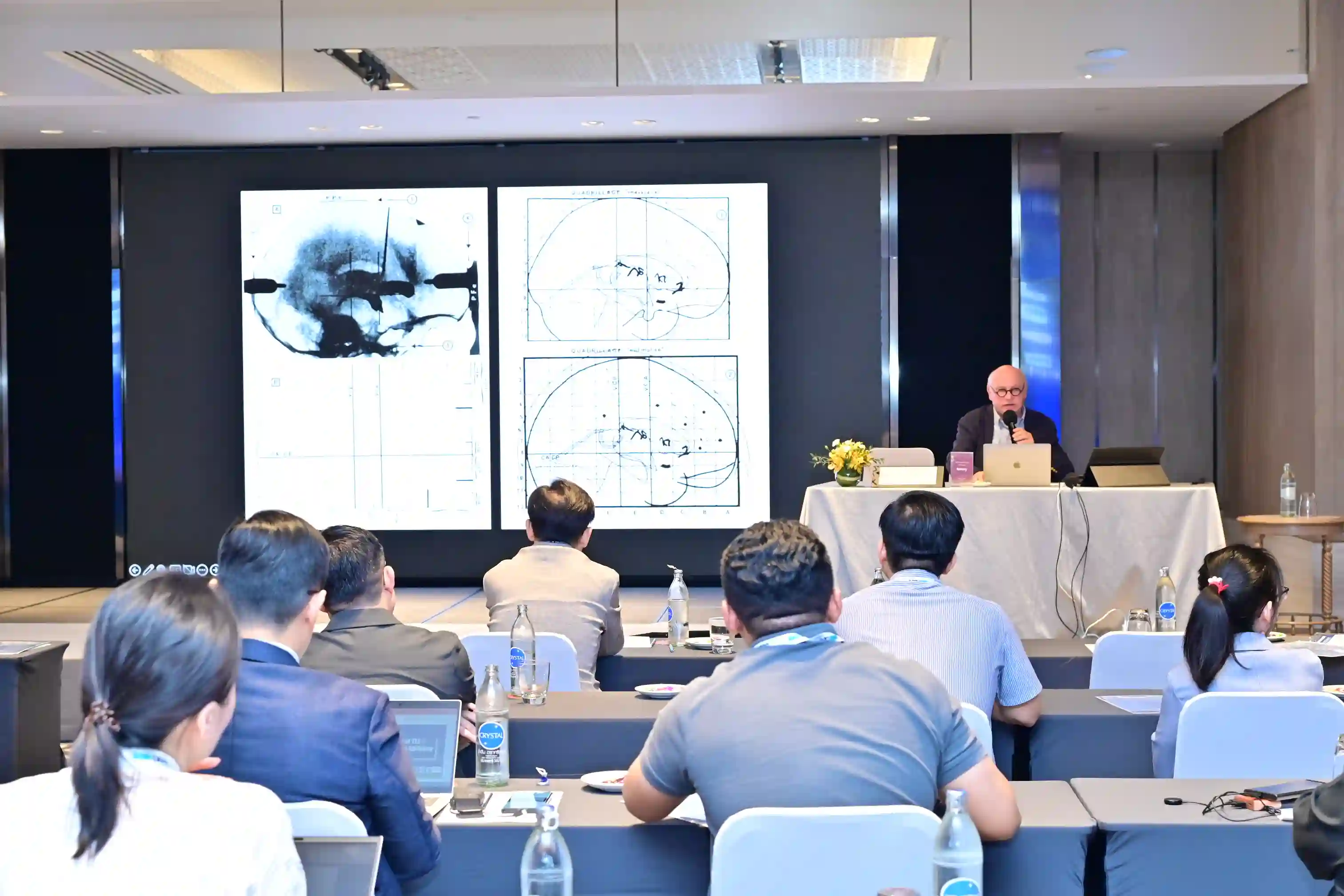
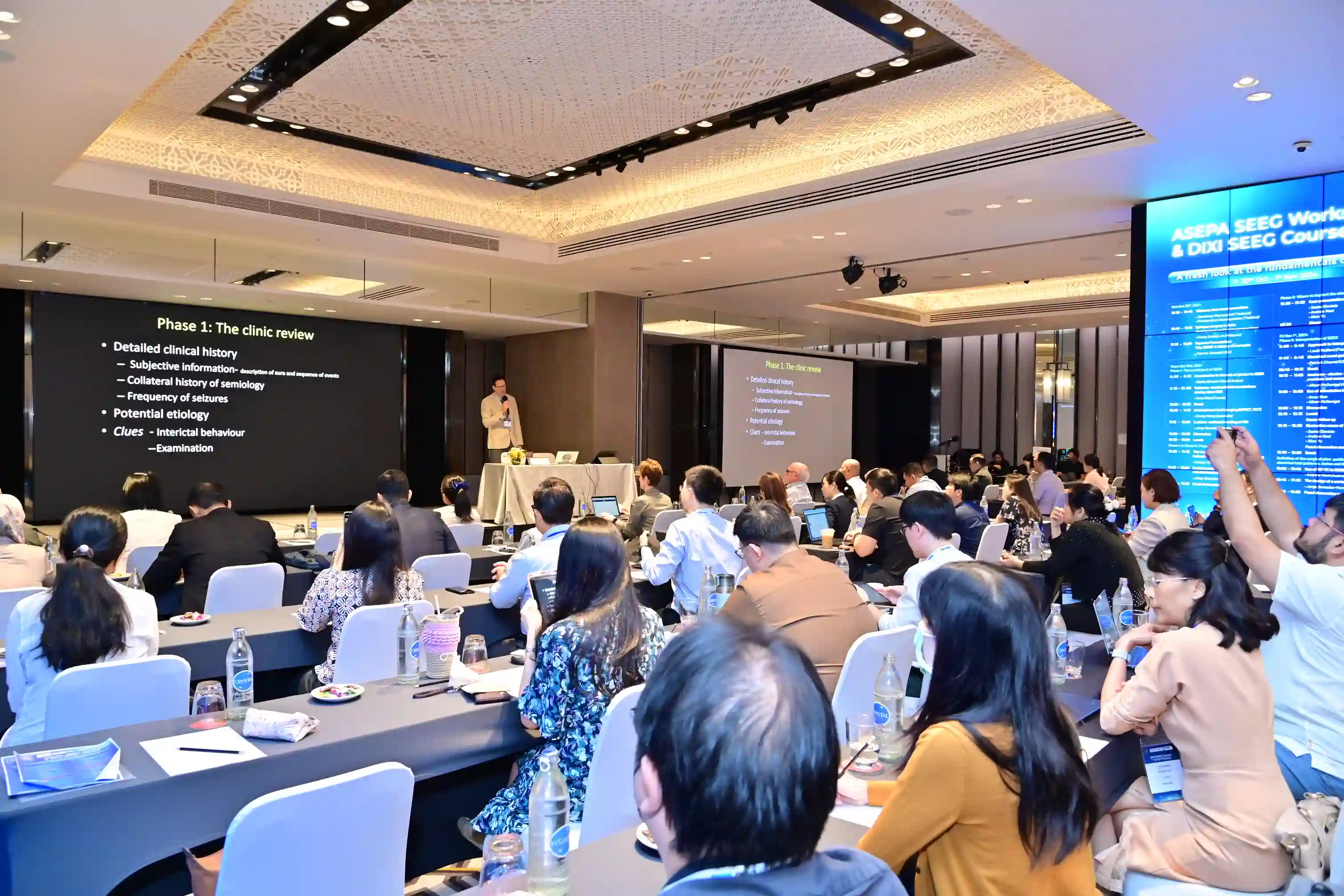
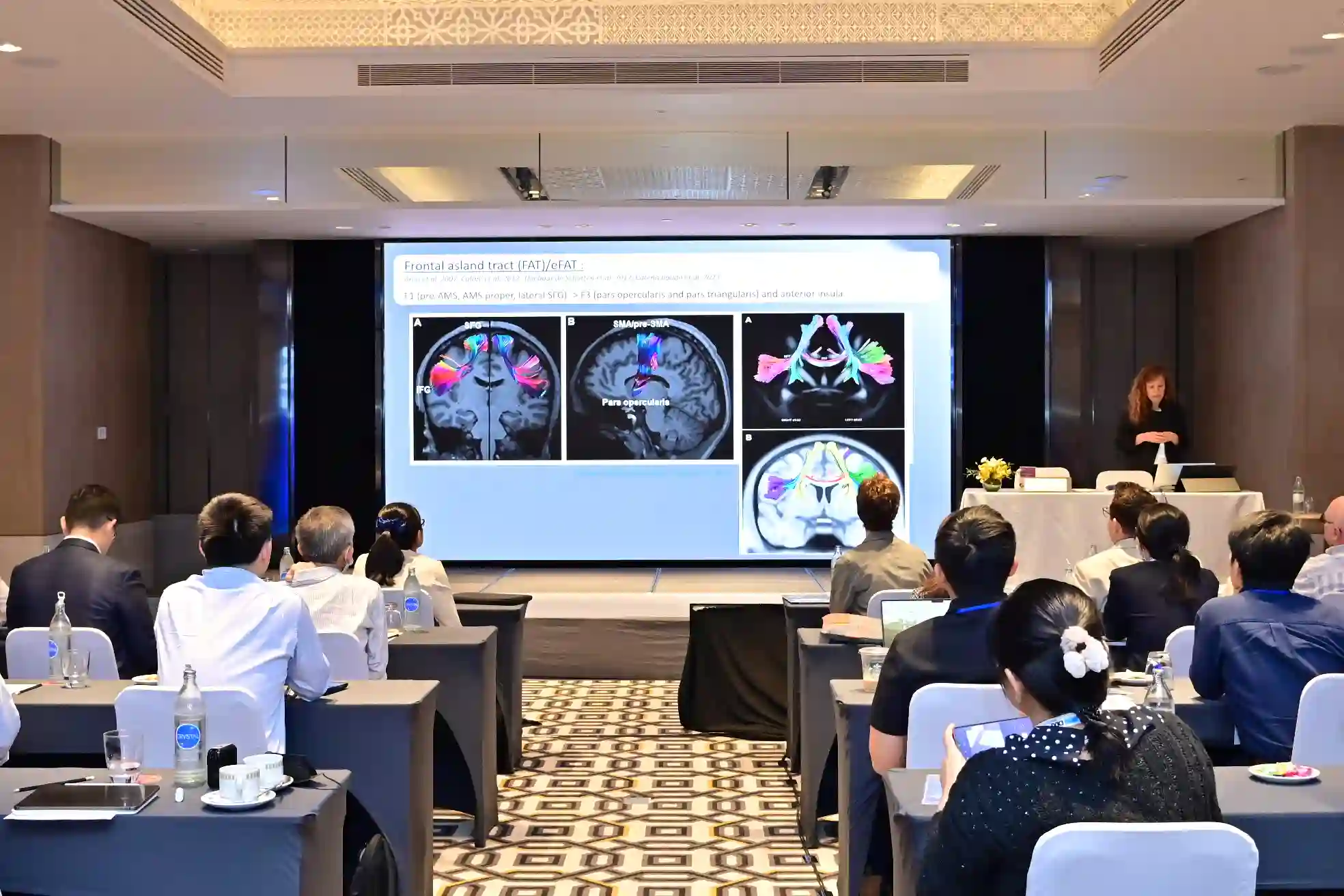
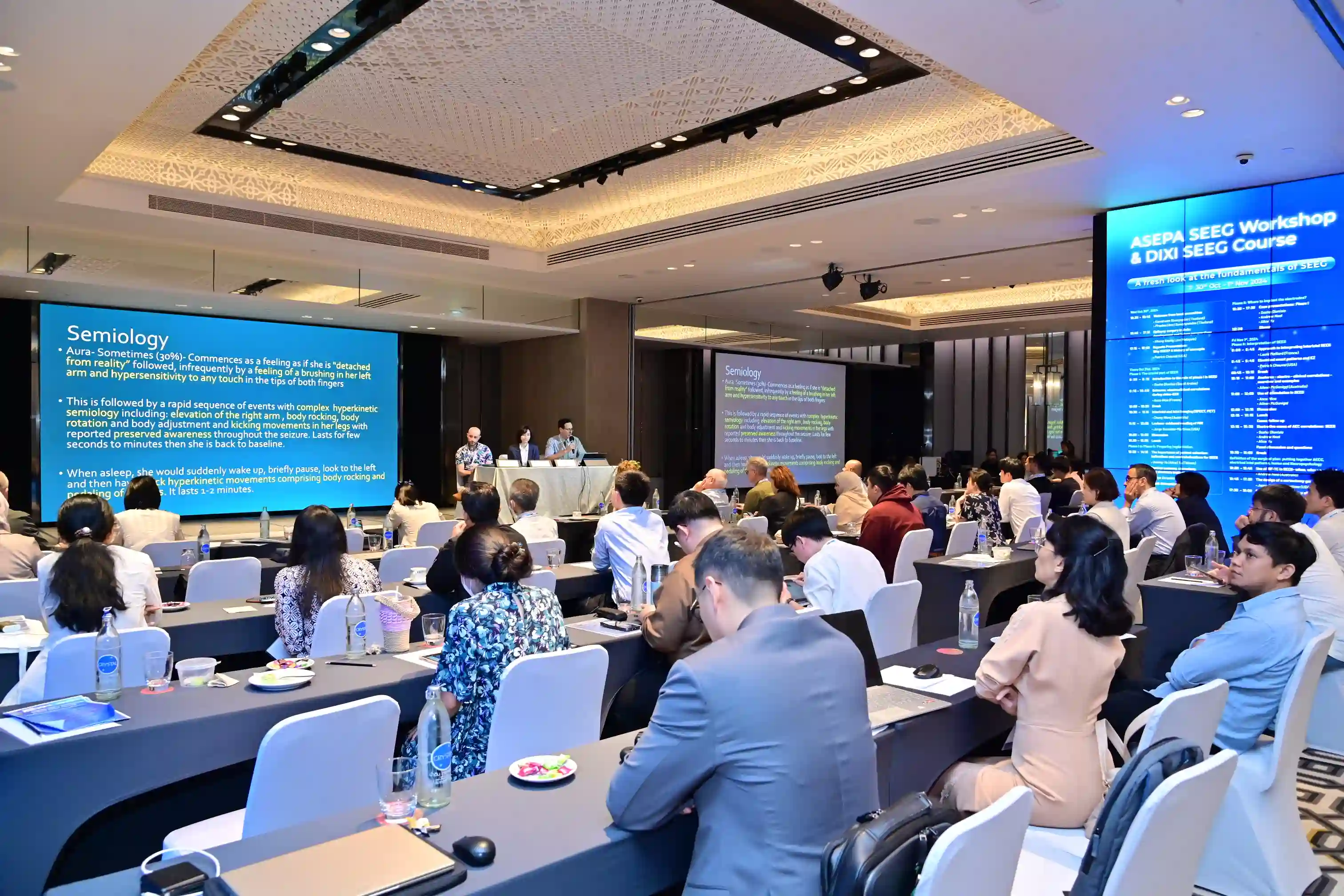
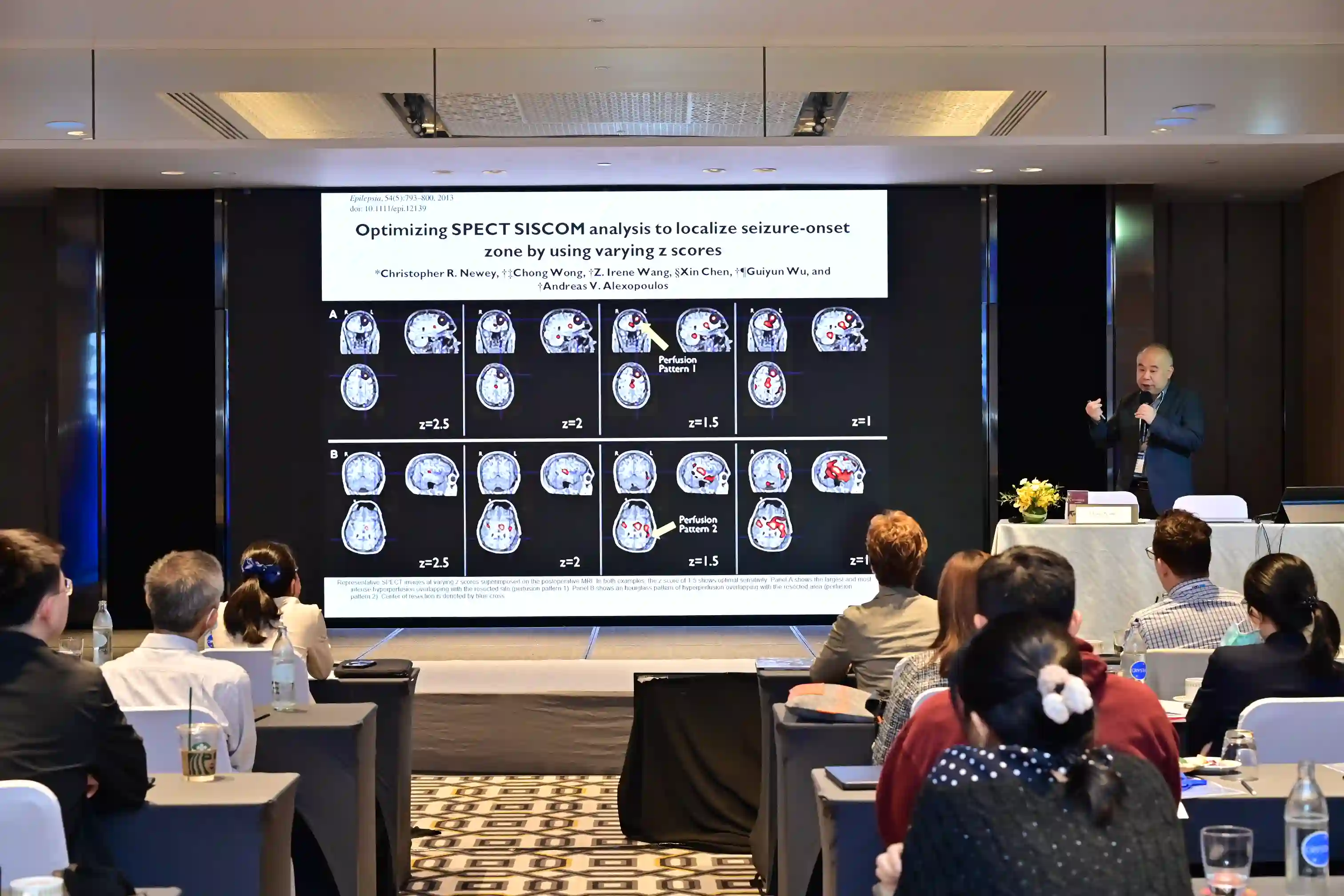
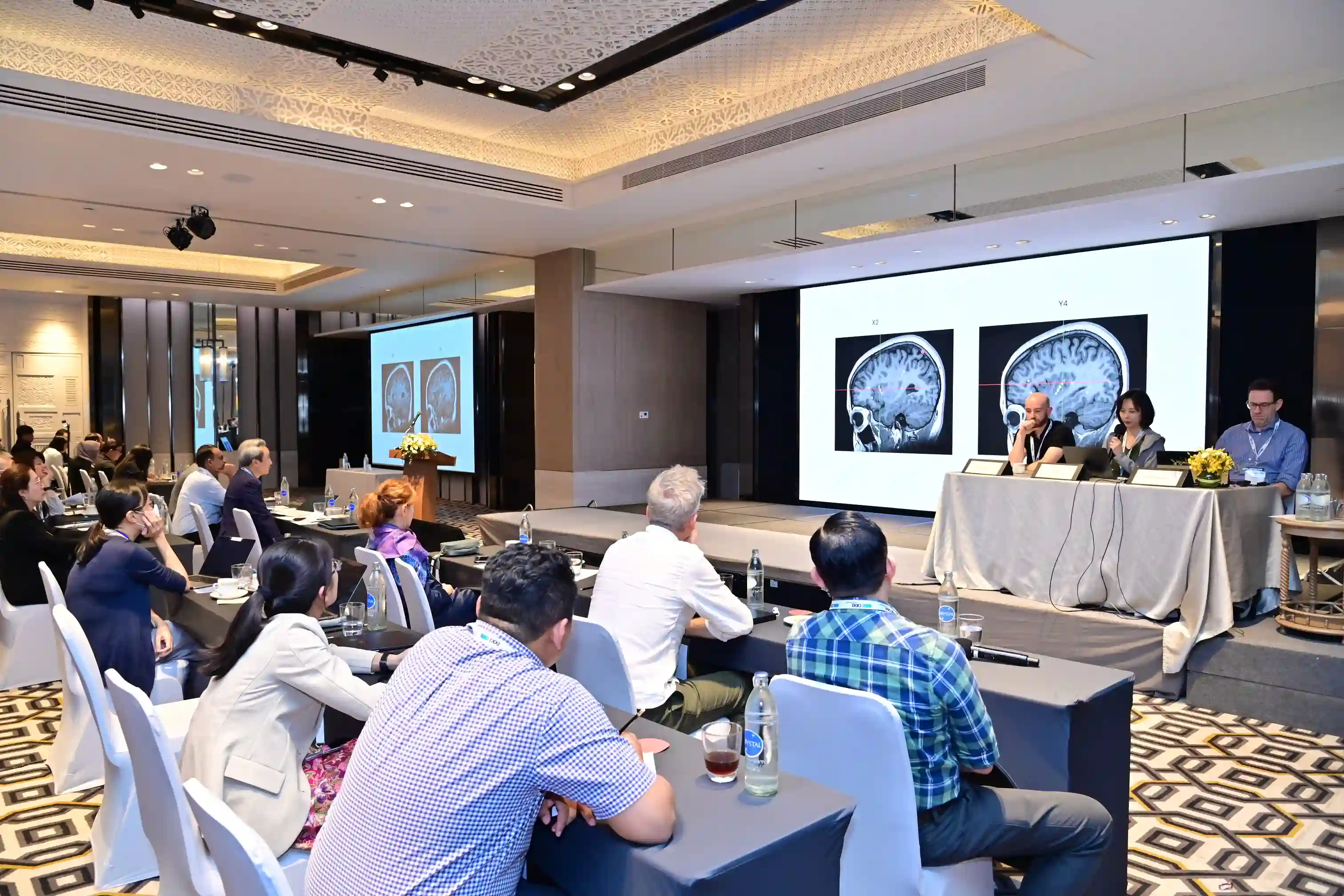
Led by world-renowned experts in pediatric epilepsy surgery, this immersive course emphasizes the evolution and rationale of pediatric SEEG, highlighting how approaches differ from adult cases. Through interactive sessions and real-world case discussions, participants will learn to formulate hypotheses for SEEG investigations, interpret pediatric scalp EEG and seizure semiology, and plan and execute SEEG implantations tailored to young patients. The course also delves into functional mapping, stimulation techniques, and the role of ablation in pediatric epilepsy surgery. Participants will explore how SEEG findings translate into treatment strategies and examine the influence of genetics and etiology in planning.
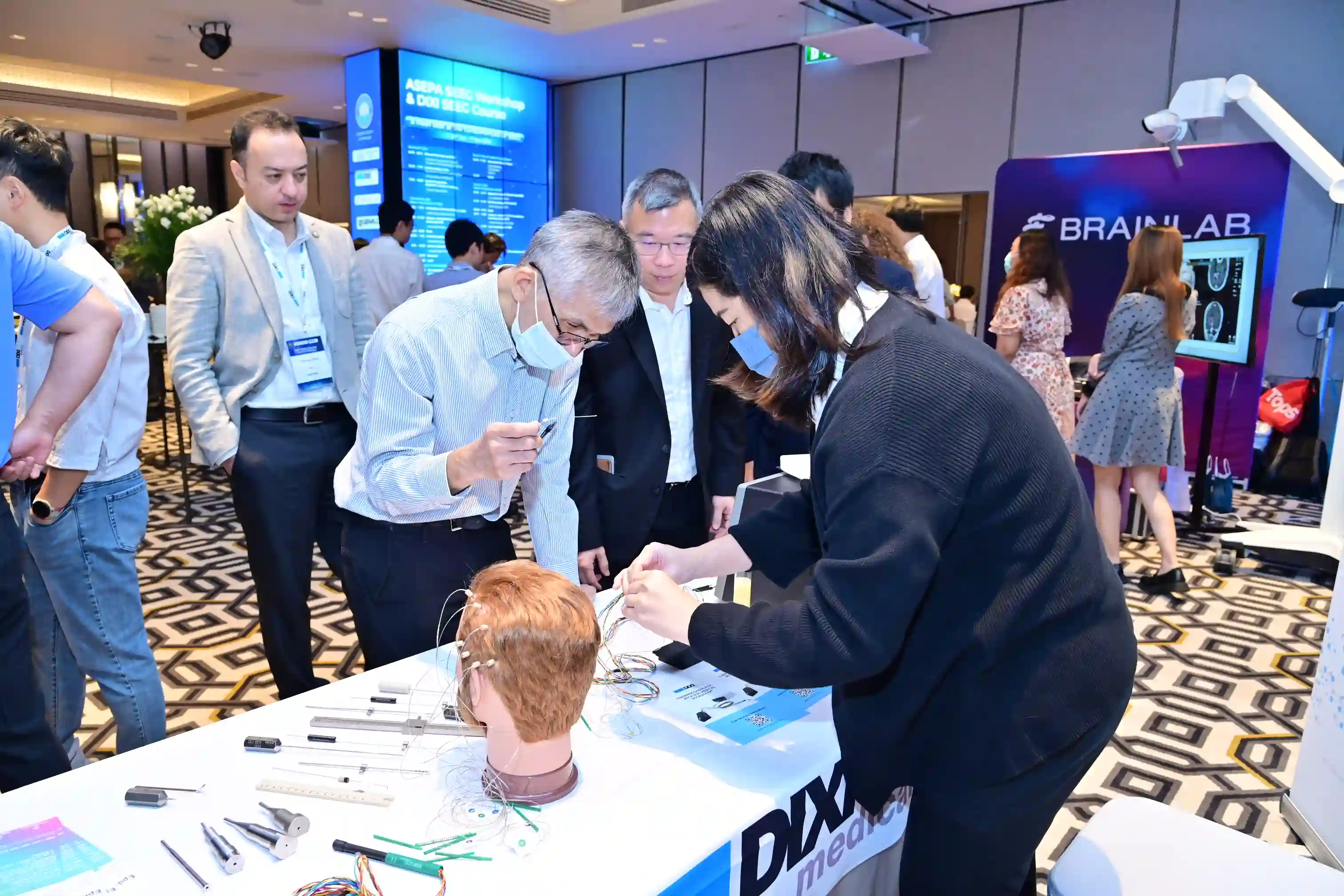
With a limited number of participants, this course ensures an intimate setting for deep engagement, dynamic discussions, and close interaction with faculty and peers. Expect collaborative planning exercises, hands-on case reviews, and group dinners that spark insightful conversations.
Don’t miss this unique opportunity to advance your expertise and contribute to the future of pediatric epilepsy care.
Throughout the course, participants will gain a comprehensive understanding of the principles and practices that define pediatric SEEG. From hypothesis generation to surgical planning, the course is designed to build practical skills and deepen clinical insights across every stage of the SEEG process. Key learning objectives include:
This course is suitable for pediatric neurologists and neurosurgeons beginning in SEEG practice and will also offer new insights to those with an established practice.